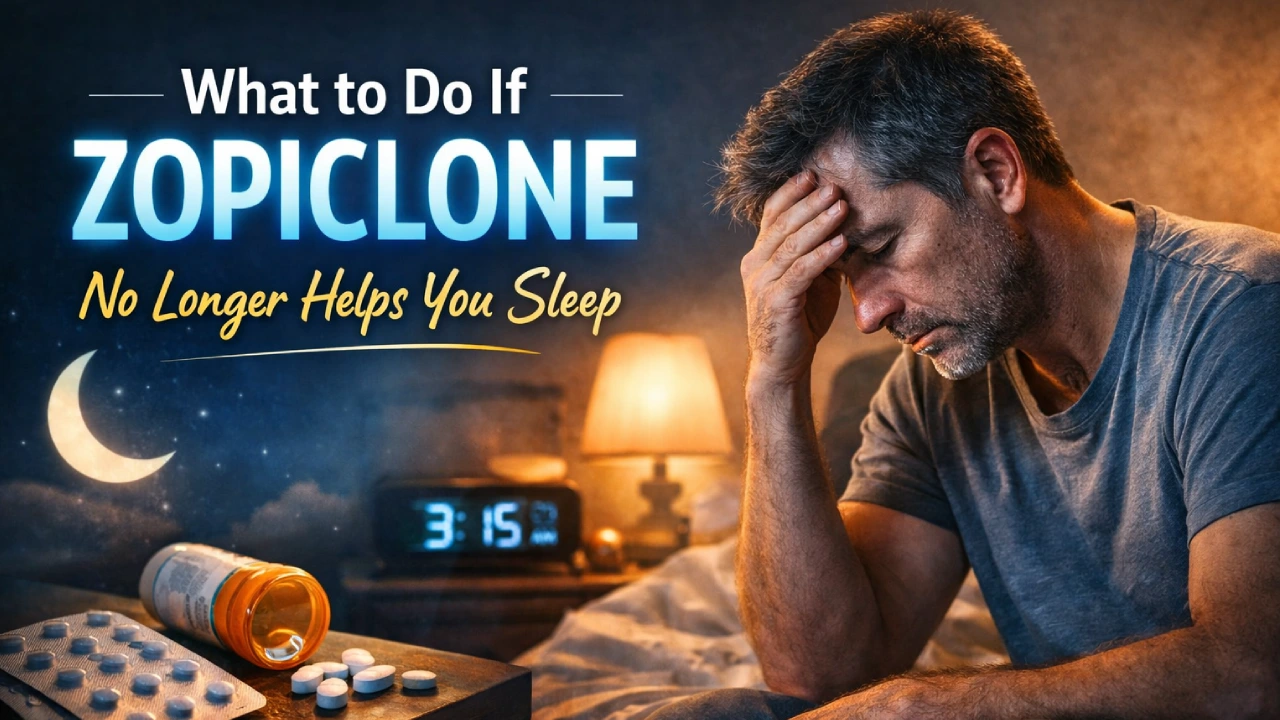
What to Do If Zopiclone No Longer Helps You Sleep Leave a Comment / By Buy Zopiclone UK / Struggling with sleepless nights can be frustrating—especially when a medication that once worked effectively suddenly stops delivering results. If you’ve been relying on Zopiclone and find that it’s no longer helping you fall or stay asleep, you’re not alone. Many individuals experience reduced effectiveness over time due to tolerance, lifestyle factors, or underlying sleep issues. In this comprehensive guide, we’ll explore why Zopiclone may stop working, what it means for your sleep health, and most importantly, what you can do next to regain restful, restorative sleep. Why Zopiclone May Stop Working Over time, medications like Zopiclone may lose effectiveness due to tolerance and dependency. According to Zopiclone usage and side effects, prolonged use should always be carefully monitored. 1. Tolerance Development One of the most common reasons Zopiclone becomes less effective is tolerance. When taken regularly, your body adapts to the medication, requiring higher doses to achieve the same sleep-inducing effect. Over time, even increased doses may not work as expected. 2. Dependence and Rebound Insomnia Long-term use can lead to physical or psychological dependence. When the body becomes reliant on the drug, stopping or reducing it may cause rebound insomnia, where sleep problems return even worse than before. 3. Underlying Sleep Disorders If your insomnia is caused by conditions such as anxiety, depression, or sleep apnea, Zopiclone may only provide temporary relief without addressing the root cause. 4. Lifestyle and Habits Factors like stress, irregular sleep schedules, excessive screen time, caffeine intake, and lack of physical activity can interfere with sleep—even if you’re taking medication. Signs That Zopiclone Is No Longer Effective You may notice: Taking longer to fall asleep despite using the medication Waking up frequently during the night Feeling groggy or unrested in the morning Needing higher doses for the same effect Increased anxiety around bedtime If these symptoms persist, it’s a clear sign your current sleep approach needs adjustment. Also Read: Zopiclone for Insomnia: How It Works, Benefits, Side Effects & Safety Guide (UK) What to Do If Zopiclone Stops Working 1. Do Not Increase the Dose on Your Own It may be tempting to take more, but increasing your dosage without medical guidance can lead to serious side effects, dependence, and withdrawal issues. Always consult a healthcare professional before making changes. 2. Speak to Your Doctor A healthcare provider can: Assess whether tolerance or dependence has developed Recommend tapering strategies Suggest alternative medications or therapies Evaluate underlying conditions affecting your sleep This is the safest and most effective first step. 3. Gradually Reduce Usage (Tapering) If advised by your doctor, you may need to gradually reduce your intake rather than stopping suddenly. This helps minimize withdrawal symptoms such as: Anxiety Restlessness Insomnia rebound A structured tapering plan ensures a smoother transition. 4. Explore Cognitive Behavioral Therapy for Insomnia (CBT-I) CBT-I is one of the most effective long-term solutions for insomnia. It focuses on changing negative thought patterns and behaviors related to sleep. Key components include: Sleep restriction therapy Stimulus control Relaxation techniques Cognitive restructuring Unlike medication, CBT-I addresses the root cause of sleep problems and provides lasting results. 5. Improve Sleep Hygiene Sometimes, small lifestyle changes can make a huge difference. Focus on: Consistent Sleep Schedule Go to bed and wake up at the same time every day—even on weekends. Limit Screen Time Avoid phones, laptops, and TVs at least 1 hour before bedtime. Create a Relaxing Environment Keep your bedroom dark, cool, and quiet. Avoid Stimulants Reduce caffeine, nicotine, and alcohol intake, especially in the evening. Exercise Regularly Physical activity helps regulate sleep cycles—but avoid intense workouts close to bedtime. 6. Try Natural Sleep Alternatives If you want to reduce reliance on medication, consider natural options such as: Herbal teas (chamomile, valerian root) Magnesium supplements Melatonin (under guidance) Meditation and mindfulness practices While these may not work instantly, they can support healthier sleep patterns over time. 7. Address Mental Health Factors Conditions like anxiety and depression are closely linked to insomnia. If stress or emotional issues are affecting your sleep: Consider therapy or counseling Practice relaxation techniques like deep breathing Try journaling before bed to clear your mind Treating the root cause often improves sleep quality significantly. 8. Consider Alternative Medications (If Needed) If Zopiclone is no longer effective, your doctor may suggest: Short-term alternatives Non-addictive sleep aids Medications targeting underlying conditions Each option should be carefully evaluated based on your health history. Risks of Continuing Ineffective Zopiclone Use Ignoring the problem and continuing to use Zopiclone despite reduced effectiveness can lead to: Increased dependence Higher risk of side effects (dizziness, memory issues, daytime drowsiness) Poor sleep quality Mental health complications Addressing the issue early helps prevent long-term complications. Long-Term Strategies for Better Sleep Instead of relying solely on medication, focus on sustainable habits: Build a Sleep Routine Create a consistent pre-sleep ritual—reading, stretching, or listening to calming music. Manage Stress Effectively Incorporate techniques like yoga, breathing exercises, or meditation into your daily routine. Limit Naps Long daytime naps can disrupt nighttime sleep. Get Natural Light Exposure Sunlight helps regulate your circadian rhythm, improving sleep patterns. When to Seek Immediate Help Consult a healthcare provider if you experience: Severe insomnia lasting weeks Dependence symptoms Anxiety or depression worsening Memory or concentration issues Professional guidance is essential for safe and effective treatment. Final Thoughts When Zopiclone stops working, it’s not the end of your sleep journey—it’s a signal that your body needs a different approach. Rather than increasing dosage or relying solely on medication, focus on identifying the root cause, improving sleep habits, and exploring long-term solutions like CBT-I. Better sleep is achievable—but it requires a balanced, informed strategy. 🛒 Ready for a Trusted Sleep Solution? If you’re still struggling with sleepless nights and looking for a reliable option, you can safely buy zopiclone online UK from a trusted and discreet source. Access quality sleep support delivered directly to your door with convenience and privacy. 👉 Buy Zopiclone Online UK – Fast, Secure & Reliable Take the first step toward better sleep today and regain control of your nights. Also Read: Can Pregnant Women Take Zopiclone? Safety Guidelines & Risks
Buy Zopiclone 7.5 mg Tablets UK | How Does it Treat Insomnia? Leave a Comment / Zopiclone / By Buy Zopiclone UK
Treat Sleep Deprivation with UK Sleeping Pills Leave a Comment / Sleeping Pills, Zopiclone / By Buy Zopiclone UK
Sleeping Pills UK Next Day Delivery Leave a Comment / Sleeping Pills, Zopiclone / By Buy Zopiclone UK