
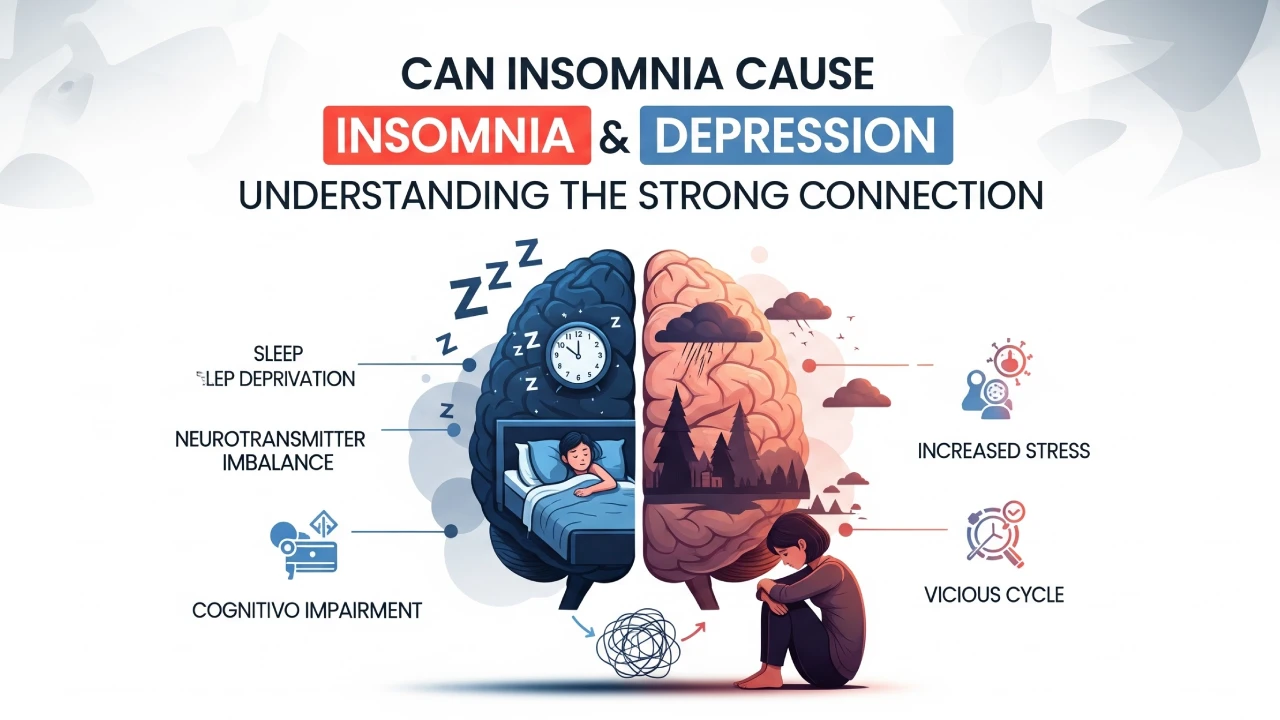
Sleep plays a vital role in maintaining both physical and mental health. When sleep is regularly disrupted, it can affect how we think, feel, and function. One of the most common and serious questions people ask today is: Can insomnia cause depression?
Insomnia and depression are closely linked, and research shows that poor sleep is not just a symptom of depression—it can also be a contributing factor. Understanding the relationship between insomnia and mental health can help people recognise early warning signs and take steps to protect their wellbeing.
This article explores the connection between insomnia and depression, how lack of sleep affects mental health, and why addressing sleep problems early is so important.
What Is Insomnia?
Insomnia is a sleep disorder that makes it difficult to fall asleep, stay asleep, or wake up feeling rested. It can be short-term (lasting days or weeks) or chronic (lasting months or longer).
Common symptoms of insomnia include:
-
Difficulty falling asleep at night
-
Waking up frequently during sleep
-
Waking up too early
-
Feeling tired or unrefreshed during the day
-
Trouble concentrating or low energy
Over time, these symptoms can significantly affect mood, behaviour, and emotional health.
What Is Depression?
Depression is a common mental health condition that affects how a person feels, thinks, and manages daily activities. It goes beyond temporary sadness and can interfere with work, relationships, and overall quality of life.
Common signs of depression include:
-
Persistent sadness or low mood
-
Loss of interest in activities
-
Fatigue and low motivation
-
Changes in appetite or weight
-
Difficulty concentrating
-
Feelings of hopelessness
Sleep problems are very common in people experiencing depression, but the relationship goes both ways.
Also Read: What to Do If Zopiclone No Longer Helps You Sleep
Can Insomnia Cause Depression?
Yes, insomnia can increase the risk of developing depression.
Research shows that people with chronic insomnia are significantly more likely to develop depression compared to those who sleep well. Ongoing sleep deprivation affects brain chemistry, emotional regulation, and stress response, all of which play a role in mood disorders.
In many cases, insomnia appears before symptoms of depression begin, suggesting it may act as a trigger rather than just a side effect.
The Insomnia and Depression Connection
The insomnia and depression connection is complex and bidirectional. This means:
-
Insomnia can increase the risk of depression
-
Depression can worsen insomnia
Lack of sleep affects the brain’s ability to regulate emotions. When the brain does not get enough rest, negative thoughts become harder to control, stress feels more intense, and emotional resilience decreases.
Over time, this can create a cycle where poor sleep leads to low mood, and low mood further disrupts sleep.
How Lack of Sleep Affects Mental Health
1. Changes in Brain Chemistry
Sleep helps regulate neurotransmitters like serotonin and dopamine, which influence mood. Chronic sleep deprivation can disrupt these chemicals, increasing the risk of depression.
2. Increased Stress Hormones
Poor sleep raises levels of cortisol, the body’s stress hormone. Constant high cortisol levels are linked to anxiety, low mood, and emotional exhaustion.
3. Reduced Emotional Control
Sleep loss weakens the brain’s ability to manage emotions, making people more sensitive to negative experiences and less able to cope with daily stress.
This explains why many people ask, does lack of sleep cause depression? While it may not be the only cause, it is a strong contributing factor.
Mental Health Effects of Insomnia
The mental health effects of insomnia go beyond feeling tired. Long-term sleep problems can lead to:
-
Irritability and mood swings
-
Increased anxiety
-
Difficulty concentrating
-
Reduced motivation
-
Feelings of hopelessness
Over time, these effects can develop into clinical depression if insomnia remains untreated.
How Insomnia Affects Daily Life and Emotional Well-being
Chronic insomnia impacts daily functioning, which can indirectly contribute to depression. When people are constantly tired, they may struggle at work, withdraw from social activities, and lose confidence.
This reduction in productivity and enjoyment can increase feelings of isolation and frustration, creating emotional distress that builds over time.
Who Is Most at Risk?
Some people are more vulnerable to developing depression due to insomnia, including:
-
Individuals under long-term stress
-
People with irregular sleep schedules
-
Those with anxiety disorders
-
Shift workers
-
People experiencing major life changes
For these groups, untreated insomnia can have a stronger impact on mental health.
Also read: The Impact of Blue Light on Sleep: What You Need to Know
Is Insomnia Always the Cause of Depression?
Not always. Depression can develop due to multiple factors such as genetics, life events, physical health conditions, or emotional trauma. However, insomnia is often a key risk factor that worsens or accelerates depressive symptoms.
In some cases, treating insomnia early may reduce the likelihood or severity of depression.
Why Early Sleep Problems Should Not Be Ignored
Many people dismiss sleep problems as minor or temporary. However, ongoing insomnia should not be ignored, especially when it begins to affect mood, motivation, or emotional stability.
Addressing sleep issues early can:
-
Improve emotional balance
-
Reduce stress levels
-
Support better mental health
-
Improve quality of life
Sleep is not a luxury—it is a necessity for mental wellbeing.
Improving Sleep to Support Mental Health
Healthy sleep habits can support both sleep quality and emotional wellbeing. These include:
-
Maintaining a consistent sleep schedule
-
Reducing screen time before bed
-
Creating a calm sleep environment
-
Managing stress through relaxation techniques
-
Avoiding stimulants late in the day
While these steps may not replace professional care, they play an important role in protecting mental health.
When to Seek Help
If insomnia lasts for weeks and is accompanied by low mood, lack of motivation, or emotional distress, it may be time to seek professional support.
Early guidance can help identify whether sleep problems are contributing to mental health concerns and prevent symptoms from worsening.
The Importance of Treating Both Sleep and Mood
Because insomnia and depression are closely linked, addressing only one may not be enough. A balanced approach that supports both sleep quality and emotional wellbeing leads to better long-term outcomes.
Improving sleep often improves mood, energy levels, and overall mental resilience.
Conclusion
So, can insomnia cause depression?
While insomnia is not the sole cause of depression, strong evidence shows that chronic sleep problems significantly increase the risk. The connection between insomnia and depression is powerful, complex, and bidirectional.
Understanding how insomnia affects mental health highlights the importance of prioritising good sleep habits and seeking help when sleep problems persist. Healthy sleep supports emotional balance, mental clarity, and long-term wellbeing—making it a crucial part of mental health care.
Struggling With Sleep? Get Trusted Support Online
If ongoing sleep problems are affecting your daily life, access reliable, regulated sleep medication from a trusted online pharmacy.
At Buy Zopiclone UK, we provide a secure and discreet way to buy zopiclone online in the UK, with fast processing and customer-focused service.
✔ Confidential ordering
✔ UK-focused service
✔ Trusted sleep support
Take the first step toward better rest—safely and responsibly.
Also Read: Can You Take Zopiclone During the Day for Anxiety?