- Introduction: Why This Matters
- Understanding Zopiclone and Alcohol Interaction
- Why Mixing Zopiclone and Alcohol Is Dangerous
- Immediate Side Effects You May Experience
- Serious Health Risks of Combining Zopiclone with Alcohol
- How Alcohol Affects Zopiclone’s Half-Life
- Next-Day Effects After Mixing Zopiclone and Alcohol
- UK Medical Advice on Zopiclone and Alcohol
- How Much Alcohol Is Considered Unsafe?
- Who Is at Higher Risk When Mixing Zopiclone and Alcohol
- What to Do If You Have Mixed Zopiclone and Alcohol
- Zopiclone vs Other Sleep Medications and Alcohol
- Long-Term Consequences of Regular Mixing
- Legal Implications in the UK
- Safe Alternatives for Sleep Without Alcohol
- Frequently Asked Questions
- Key Takeaways on Zopiclone and Alcohol Use
Introduction: Why This Matters
Zopiclone is widely prescribed in the United Kingdom for short-term insomnia, helping millions of people fall asleep faster and stay asleep longer throughout the night. It belongs to a class of medications known as sedative-hypnotics and has been a cornerstone of insomnia treatment for decades. Alcohol, on the other hand, is one of the most commonly consumed substances in the UK, with many people using it to relax in the evening after a stressful day at work.
When these two substances are taken together, the results can be far more serious than many people expect. Despite clear warnings on prescription labels and advice from healthcare professionals, a significant number of individuals continue to mix Zopiclone with alcohol, often underestimating the potential consequences. This comprehensive guide aims to provide detailed, evidence-based information about why this combination is dangerous, what the risks are, and how to stay safe.
Mixing Zopiclone with alcohol can significantly increase side effects and raise the risk of dangerous complications. Even small amounts of alcohol can interfere with how the medication works and how your body processes it. This guide is for informational purposes and should not replace professional medical advice.
Understanding Zopiclone and Alcohol Interaction
Zopiclone is a sedative-hypnotic medication that works by calming activity in the brain. It specifically targets the gamma-aminobutyric acid (GABA) receptors, which are responsible for inhibiting nerve transmission in the brain, thereby producing a calming effect. This mechanism helps reduce the time it takes to fall asleep and increases the total duration of sleep, making it an effective short-term treatment for insomnia.
Alcohol has a similar depressant effect on the central nervous system. When consumed, alcohol also interacts with GABA receptors, enhancing the inhibitory effects and producing feelings of relaxation and drowsiness. When Zopiclone and alcohol are combined, these effects do not simply add up — they amplify each other in a synergistic manner that can be unpredictable and dangerous.
The interaction between these two substances is particularly concerning because both are metabolized by the liver. When alcohol is present in the system, it competes with Zopiclone for the same metabolic pathways, primarily through the cytochrome P450 enzyme system. This competition can lead to higher concentrations of Zopiclone remaining in the bloodstream for extended periods, intensifying and prolonging its sedative effects.
Many people who take Zopiclone 7.5 mg tablets for insomnia underestimate how strongly alcohol can increase sedation, even if the drink is consumed hours before bedtime. The misconception that spacing out alcohol consumption makes it safe is one of the most dangerous beliefs surrounding this combination.
Why Mixing Zopiclone and Alcohol Is Dangerous
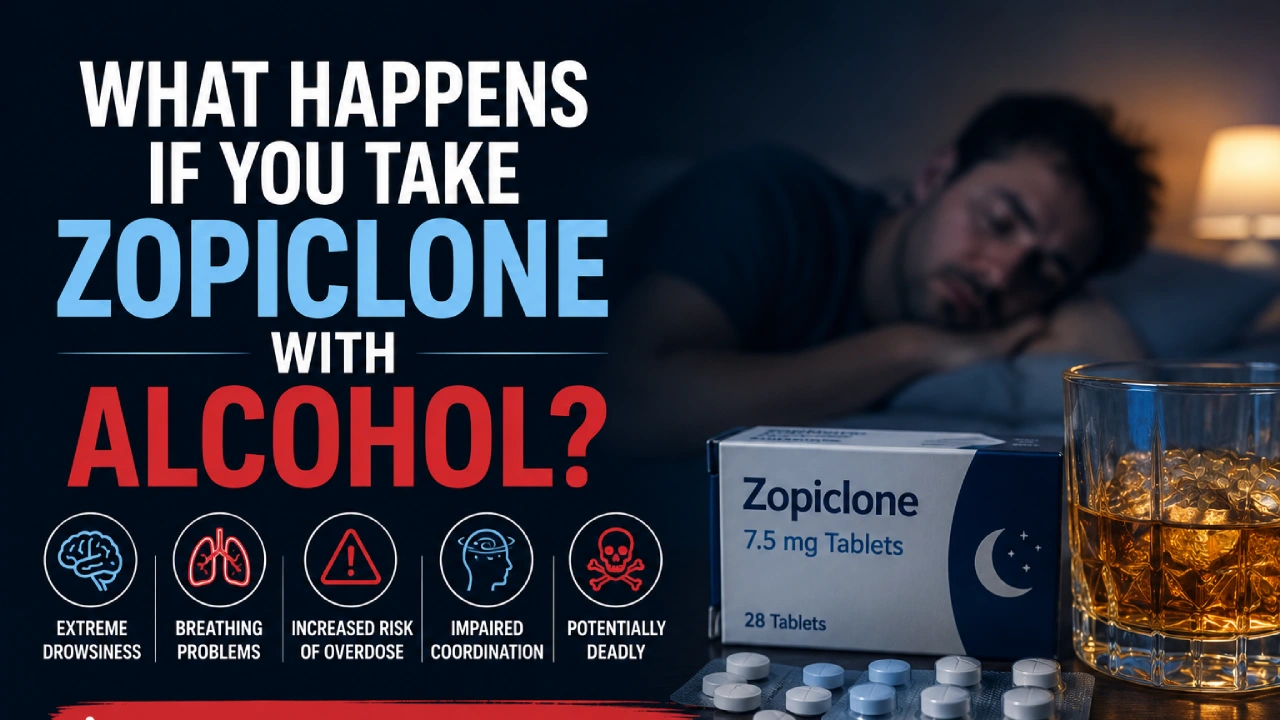
Both Zopiclone and alcohol slow brain activity through their action on the central nervous system. Together, they can impair judgement, coordination, and breathing in ways that are far more severe than either substance alone. This makes everyday activities such as walking, climbing stairs, or even getting out of bed far riskier than most people realize.
The danger lies in the compounded depressant effects. While Zopiclone alone can cause drowsiness and mild cognitive impairment, adding alcohol to the equation can push these effects into dangerous territory. The combined impact on the respiratory system is particularly concerning, as both substances can suppress breathing independently, and together they create a significant risk of respiratory depression.
According to NHS guidance on Zopiclone, alcohol should be avoided completely while taking this medication due to the increased risk of severe drowsiness and breathing problems. The NHS explicitly warns that the combination can lead to situations where individuals may stop breathing during sleep, a condition known as sleep apnea that can be fatal if left untreated.
Furthermore, the impaired judgement caused by this combination can lead to poor decision-making. Individuals under the influence of both substances may attempt activities that are clearly dangerous, such as driving, operating machinery, or engaging in risky behaviors they would normally avoid. The cognitive impairment can be so severe that individuals may not even recognize they are impaired until it is too late.
Immediate Side Effects You May Experience
The most noticeable effects often occur shortly after taking Zopiclone with alcohol. These can feel sudden and intense, especially for first-time users or those who are not accustomed to either substance. The onset of symptoms can vary depending on factors such as body weight, metabolism, tolerance levels, and the amount of each substance consumed.
- Extreme drowsiness or sedation — This goes beyond normal sleepiness and can make it difficult to keep your eyes open or maintain consciousness.
- Dizziness and confusion — You may feel disoriented, unable to think clearly, or struggle to remember simple things.
- Slurred speech — Similar to being heavily intoxicated, your speech may become difficult to understand.
- Poor balance and coordination — Walking may become unstable, and you may experience frequent stumbling or falling.
- Memory blackouts — Periods of time may be completely erased from your memory, leaving you with no recollection of events.
- Nausea and vomiting — The combination can severely upset the stomach, leading to dehydration and additional complications.
- Blurred vision — Your ability to see clearly may be compromised, making navigation dangerous.
- Slowed heart rate — Both substances can depress cardiac function, leading to bradycardia.
People using higher strengths such as Zopiclone 10 mg tablets are at even greater risk of severe reactions. Higher doses naturally produce stronger sedative effects, and when combined with alcohol, the margin for safety becomes dangerously narrow.
Also Read: what you should never mix with Zopiclone
Serious Health Risks of Combining Zopiclone with Alcohol
Beyond immediate side effects, combining Zopiclone with alcohol can lead to serious medical emergencies that require immediate intervention. One of the most dangerous risks is respiratory depression, where breathing becomes dangerously slow or shallow. In severe cases, this can progress to complete respiratory failure, where the individual stops breathing altogether.
Respiratory depression is particularly dangerous because it can occur without warning. An individual may fall asleep believing they are safe, only to have their breathing slow to critical levels during the night. This risk is heightened during deep sleep phases when the body’s natural respiratory drive is already reduced.
This risk increases significantly if alcohol consumption is higher than expected or if Zopiclone is taken at an increased dose. The relationship between dose and danger is not linear — small increases in either substance can lead to disproportionately large increases in risk. This is due to the synergistic nature of their interaction, where the combined effect is greater than the sum of individual effects.
Other serious health risks include:
- Coma — Severe central nervous system depression can lead to a comatose state requiring intensive medical care.
- Seizures — While rare, the combination can lower the seizure threshold in susceptible individuals.
- Hypotension — Dangerously low blood pressure can result from the combined cardiovascular depressant effects.
- Liver damage — Both substances stress the liver, and chronic combination use can accelerate liver disease.
- Addiction and dependence — Using both substances together can accelerate the development of psychological and physical dependence.
If you or someone you know has mixed Zopiclone with alcohol and is experiencing difficulty breathing, extreme confusion, or cannot be awakened, call 999 immediately. This is a life-threatening emergency that requires professional medical intervention without delay.
How Alcohol Affects Zopiclone’s Half-Life
Alcohol slows down the liver’s ability to process medications through its effects on hepatic enzyme systems. This means Zopiclone can remain active in your system for longer than usual, prolonging sedation and increasing next-day impairment. The half-life of Zopiclone, which is typically around 5 hours under normal conditions, can be extended significantly when alcohol is present.
The liver metabolizes alcohol using the enzyme alcohol dehydrogenase, and this process takes priority over many other metabolic functions. While the liver is busy processing alcohol, the metabolism of Zopiclone is delayed, leading to higher blood concentrations for extended periods. This can result in prolonged drowsiness that extends well into the following day.
People often assume spacing alcohol earlier in the evening is safe, but alcohol can still interfere with how Zopiclone is metabolised overnight. Even if alcohol consumption occurs several hours before taking Zopiclone, residual alcohol in the bloodstream can continue to affect liver function and drug metabolism throughout the night.
The rate at which alcohol is metabolized varies significantly between individuals based on factors such as body weight, gender, age, liver health, and genetic factors. This variability means that there is no universal “safe” time gap between alcohol consumption and Zopiclone use. What might be safe for one person could be dangerous for another.
Next-Day Effects After Mixing Zopiclone and Alcohol
Even if you appear to sleep through the night without incident, the effects of mixing Zopiclone and alcohol can carry into the next day with surprising intensity. This is particularly concerning for those who need to drive, operate machinery, or perform tasks requiring concentration and quick reflexes.
The phenomenon known as “hangover” from alcohol combined with the residual sedative effects of Zopiclone creates a compound impairment that can be more severe than either alone. The body may have metabolized most of the alcohol, but the combined impact on neurotransmitter systems can leave lasting effects.
- Severe morning drowsiness — You may struggle to wake up fully and feel groggy for hours after rising.
- Slower reaction times — Your ability to respond quickly to stimuli is significantly compromised.
- Difficulty concentrating — Focus and attention span may be severely limited, affecting work performance.
- Increased accident risk — The combination of slowed reflexes and poor judgement creates dangerous conditions.
- Persistent confusion — You may feel mentally foggy and have trouble with decision-making.
- Mood disturbances — Irritability, anxiety, or depression may be more pronounced the following day.
- Physical weakness — Muscle weakness and fatigue can make normal activities challenging.
Also Read: Zopiclone and driving safety the next morning
UK Medical Advice on Zopiclone and Alcohol
Doctors and pharmacists in the UK consistently advise against drinking alcohol while taking Zopiclone. This advice is based on extensive clinical evidence and documented cases of adverse outcomes. Prescription labels often include clear warnings about alcohol use, and healthcare providers are required to discuss these risks with patients when prescribing the medication.
The UK drug-driving law also highlights that driving while impaired by prescribed medication and alcohol can lead to prosecution. Under the Road Traffic Act 1988, it is illegal to drive if you are unfit to do so because of drugs, including prescription medications. The law makes no distinction between illegal drugs and prescription medications when it comes to impairment.
Medical professionals emphasize that the risks associated with mixing Zopiclone and alcohol are not theoretical — they are well-documented in medical literature and clinical practice. The Medicines and Healthcare products Regulatory Agency (MHRA) in the UK has issued specific guidance warning against this combination.
Pharmacists play a crucial role in reinforcing this message. When dispensing Zopiclone, they are trained to provide counseling on the dangers of alcohol consumption and to ensure patients understand the importance of complete abstinence while taking the medication.
How Much Alcohol Is Considered Unsafe?
There is no safe amount of alcohol to consume while taking Zopiclone. Even a single glass of wine or beer can significantly increase sedation and impair cognitive function. The concept of “moderate drinking” does not apply when sedative medications are involved, as the interaction threshold is much lower than for alcohol alone.
Research has shown that even small amounts of alcohol can alter the pharmacokinetics of Zopiclone, leading to enhanced effects that may not be predictable. The interaction is not dose-dependent in a linear fashion, meaning that small amounts of alcohol can produce disproportionately large effects when combined with Zopiclone.
Factors that increase risk include:
- Higher Zopiclone dosage — The risk increases proportionally with dose strength.
- Low alcohol tolerance — Individuals who rarely drink alcohol may experience more pronounced effects.
- Short sleep duration — Less time for metabolism increases the risk of next-day impairment.
- Underlying health conditions — Liver disease, respiratory conditions, and cardiovascular issues amplify risks.
- Age — Older adults metabolize both substances more slowly.
- Body composition — Lower body weight and higher body fat percentage can increase sensitivity.
- Concurrent medications — Other drugs may further interact with this combination.
Who Is at Higher Risk When Mixing Zopiclone and Alcohol
Some groups are particularly vulnerable to severe effects when mixing Zopiclone with alcohol. Understanding these risk factors is essential for both patients and healthcare providers to make informed decisions about treatment.
- Older adults — Age-related changes in metabolism and increased sensitivity to sedatives make this group particularly vulnerable. Falls and fractures are common consequences.
- People with liver or kidney conditions — Impaired organ function reduces the body’s ability to process both substances, leading to accumulation and toxicity.
- First-time Zopiclone users — Those new to the medication may not understand their individual response and are more likely to experience unexpected effects.
- Those taking other sedative medications — The addition of alcohol to multiple sedatives creates a dangerous polypharmacy situation.
- Individuals with substance use disorders — Those with a history of alcohol or drug dependence are at higher risk of dangerous combinations.
- Pregnant women — Both substances can harm fetal development, and the combination increases risks to both mother and baby.
- People with sleep apnea — The respiratory depressant effects can exacerbate existing breathing disorders during sleep.
Also Read: is it safe to take Zopiclone every night?
What to Do If You Have Mixed Zopiclone and Alcohol
If you believe you have mixed Zopiclone with alcohol and feel unwell, seeking medical help immediately is the safest course of action. Do not wait to see if symptoms improve on their own, as the situation can deteriorate rapidly without warning.
Warning signs that require immediate medical attention include:
- Difficulty breathing or shortness of breath
- Extreme confusion or disorientation
- Inability to stay awake or unresponsiveness
- Severe dizziness or loss of consciousness
- Chest pain or irregular heartbeat
- Bluish tint to lips or fingernails (cyanosis)
- Vomiting while unconscious or semi-conscious
When speaking to healthcare professionals, always be honest about what you have taken to ensure proper treatment. Withholding information about alcohol consumption or medication use can lead to inappropriate treatment and worsened outcomes. Medical professionals are not there to judge but to provide the best possible care based on accurate information.
If you are with someone who has mixed these substances, do not leave them alone. Monitor their breathing and consciousness level, and be prepared to provide information to emergency responders about what was taken, how much, and when.
Zopiclone vs Other Sleep Medications and Alcohol
Understanding how Zopiclone compares to other sleep medications in terms of alcohol interaction can help patients and healthcare providers make informed choices about treatment options.
| Medication | Reaction with Alcohol | Overall Risk | Additional Notes |
|---|---|---|---|
| Zopiclone | Strong sedation, breathing risk | High | Commonly prescribed in UK; significant CNS depression when combined with alcohol |
| Zolpidem | Increased drowsiness | Moderate-High | Similar mechanism to Zopiclone but shorter half-life; still dangerous with alcohol |
| Benzodiazepines | Severe respiratory depression | Very High | Includes medications like diazepam and temazepam; highest risk category |
| Melatonin | Mild drowsiness increase | Low-Moderate | Natural hormone supplement; generally safer but still not recommended with alcohol |
| Antihistamines | Enhanced sedation | Moderate | Over-the-counter options like diphenhydramine; can cause significant drowsiness |
| Herbal supplements | Variable effects | Variable | Valerian root, chamomile, and others may interact unpredictably with alcohol |
Long-Term Consequences of Regular Mixing
While the immediate dangers of mixing Zopiclone and alcohol are well-documented, the long-term consequences of regular combination use are equally concerning. Chronic use of this combination can lead to a cascade of health problems that extend far beyond the initial sedative effects.
One of the most significant long-term risks is the development of tolerance and dependence. When used together regularly, both substances can lead to physical dependence, where the body requires increasing amounts to achieve the same effect. This can create a dangerous cycle of escalating use that is difficult to break without professional help.
Cognitive decline is another serious concern. Chronic exposure to the combined depressant effects can lead to lasting changes in brain function, including memory problems, reduced processing speed, and impaired executive function. These effects may persist even after discontinuing the substances.
Other long-term consequences include:
- Chronic liver disease — The combined stress on the liver from processing both substances accelerates damage.
- Cardiovascular problems — Long-term depression of heart function can lead to arrhythmias and other cardiac issues.
- Mental health deterioration — Anxiety and depression may worsen rather than improve with chronic use.
- Relationship and social problems — Behavioral changes can strain personal and professional relationships.
- Financial burden — The cost of maintaining both habits, plus potential medical expenses, can be significant.
Legal Implications in the UK
Beyond health risks, mixing Zopiclone and alcohol carries significant legal implications in the United Kingdom. Understanding these legal consequences is important for anyone taking this medication.
Under UK law, it is illegal to drive while unfit to do so due to drugs, including prescription medications. The law does not distinguish between intentional impairment and accidental impairment — if you are unfit to drive, you are committing an offense regardless of intent. Penalties can include fines, driving bans, and imprisonment.
Employers also have legal obligations regarding workplace safety. If you operate machinery or perform safety-critical tasks while impaired by this combination, both you and your employer could face legal consequences. Many employment contracts specifically prohibit attending work under the influence of substances that impair performance.
Insurance implications are another consideration. If you are involved in an accident while impaired by Zopiclone and alcohol, your insurance company may refuse to pay claims, leaving you personally liable for damages. This applies to vehicle insurance, liability insurance, and potentially health insurance in some cases.
Safe Alternatives for Sleep Without Alcohol
For those struggling with insomnia who have previously used alcohol as a sleep aid, there are many safer alternatives that do not carry the risks associated with mixing substances. These approaches can be used alone or in combination with Zopiclone under medical supervision.
Cognitive Behavioral Therapy for Insomnia (CBT-I) is considered the gold standard non-pharmacological treatment for chronic insomnia. This structured program helps identify and replace thoughts and behaviors that cause or worsen sleep problems with habits that promote sound sleep. Unlike medication, CBT-I addresses the underlying causes of insomnia rather than just masking symptoms.
Other safe alternatives include:
- Sleep hygiene improvements — Creating a consistent sleep schedule, optimizing bedroom environment, and avoiding screens before bed.
- Relaxation techniques — Progressive muscle relaxation, deep breathing exercises, and meditation can reduce anxiety and promote sleep.
- Regular exercise — Physical activity during the day can improve sleep quality, though vigorous exercise should be avoided close to bedtime.
- Dietary adjustments — Avoiding caffeine, heavy meals, and spicy foods in the evening can improve sleep.
- Herbal teas — Chamomile, valerian root, and passionflower teas may promote relaxation without the risks of alcohol.
- Light therapy — Exposure to natural light during the day and darkness at night helps regulate circadian rhythms.
Before making any changes to your sleep routine or medication regimen, consult with your GP or a sleep specialist. They can provide personalized recommendations based on your specific health profile and needs.
Frequently Asked Questions
Can I drink alcohol the day after taking Zopiclone?
You should wait until the medication has fully cleared your system and you feel completely alert. Given Zopiclone’s half-life of approximately 5 hours, it can take 24-48 hours for the medication to be completely eliminated, depending on individual metabolism. Factors such as age, liver function, and dosage all affect how quickly the drug is cleared. It is always safest to consult your doctor about the appropriate waiting period based on your specific circumstances.
What if I accidentally drank alcohol once while taking Zopiclone?
Seek medical advice if you feel unusually drowsy or unwell. Even a single instance of mixing these substances can be dangerous, and it is better to err on the side of caution. Do not drive or operate machinery, and ensure someone is available to monitor you. If you experience any concerning symptoms such as difficulty breathing or extreme confusion, call emergency services immediately.
Does tolerance reduce the risk of mixing Zopiclone and alcohol?
No. Even long-term users can experience dangerous interactions. Tolerance to the sedative effects does not equate to tolerance for the respiratory depressant effects. In fact, tolerance can create a false sense of security that leads to higher doses and more dangerous combinations. The risk of respiratory depression remains regardless of tolerance levels.
Can I take Zopiclone if I drank alcohol earlier in the evening?
It is not recommended. Alcohol can remain in your system for many hours after consumption, and its effects on liver metabolism can persist even after you no longer feel intoxicated. The safest approach is to avoid alcohol entirely on days when you plan to take Zopiclone. If you have consumed alcohol, speak with your doctor or pharmacist before taking your medication.
How long should I wait between drinking alcohol and taking Zopiclone?
There is no universally safe waiting period because individual metabolism varies significantly. As a general guideline, you should wait at least 24 hours after your last alcoholic drink before taking Zopiclone. However, this may not be sufficient for everyone, particularly those with liver conditions or who have consumed large amounts of alcohol. Always consult your healthcare provider for personalized advice.
What are the signs that someone needs emergency help after mixing Zopiclone and alcohol?
Emergency signs include difficulty breathing, blue-tinged lips or fingernails, inability to wake the person, vomiting while unconscious, seizures, and extremely slow or irregular heartbeat. If any of these signs are present, call 999 immediately. While waiting for help, keep the person on their side to prevent choking and monitor their breathing.
Key Takeaways on Zopiclone and Alcohol Use
Mixing Zopiclone with alcohol is unsafe and can lead to serious health risks, including breathing problems, accidents, and next-day impairment. The safest approach is to avoid alcohol completely while taking this medication, as there is no established safe level of alcohol consumption that can be combined with Zopiclone.
The risks extend beyond the immediate period of use, with potential for long-term health consequences including liver damage, cognitive decline, and development of substance dependence. Legal implications in the UK add another dimension of risk, particularly regarding driving and workplace safety.
If you are managing insomnia and exploring treatment options, always follow medical advice and choose trusted sources when you buy Zopiclone online in the UK. Responsible use protects your health and those around you. Remember that short-term use of sleep medications should be accompanied by efforts to address underlying causes of insomnia through lifestyle changes and, where appropriate, cognitive behavioral therapy.
Your health and safety should always be the top priority. When in doubt, consult with healthcare professionals who can provide guidance tailored to your individual needs and circumstances.
Need More Information?
If you have concerns about Zopiclone use, alcohol consumption, or sleep disorders, speak with your GP or a qualified healthcare professional. For immediate medical emergencies, always call 999.
NHS 111 can provide 24/7 medical advice for non-emergency situations.