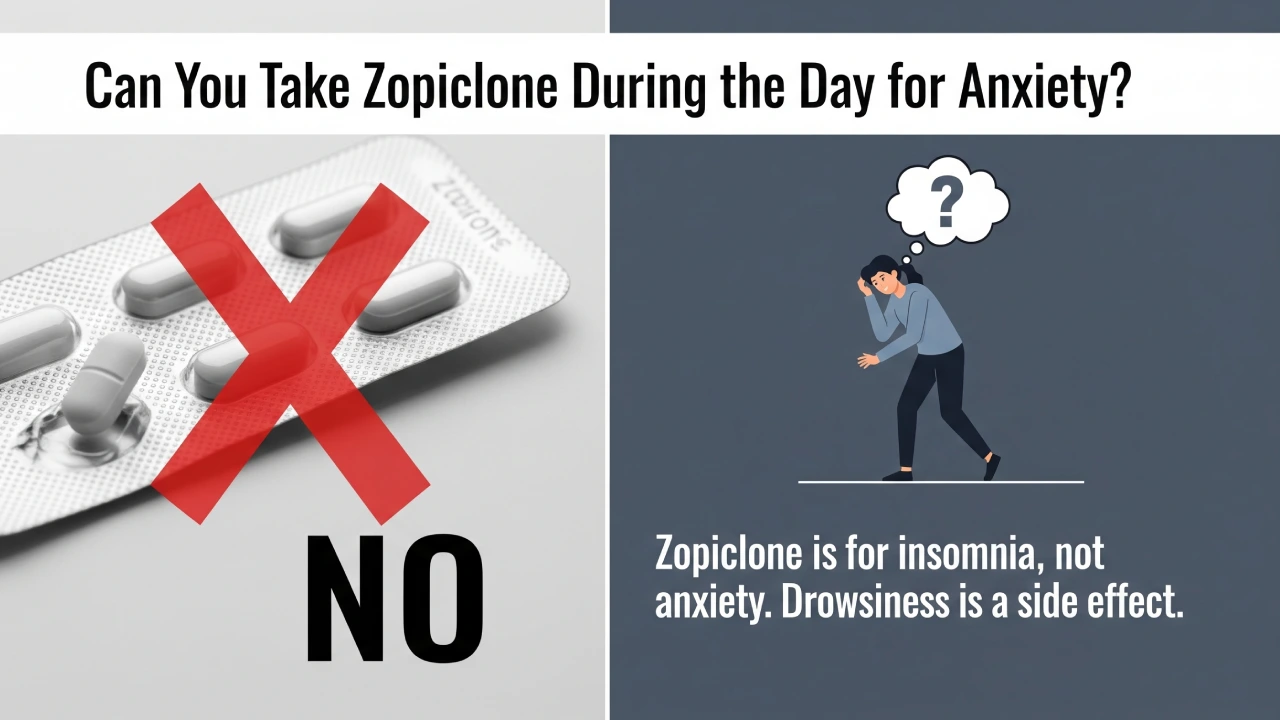
Zopiclone is a commonly prescribed medication, best known for treating short-term sleep problems (insomnia). Many people who struggle with anxiety also experience poor sleep, which often leads to questions like: Can zopiclone be taken during the day for anxiety?
This is an important question because while zopiclone can make you feel calm or drowsy, it is not primarily an anxiety medication. Taking it at the wrong time or for the wrong reason can lead to side effects and dependency risks.
This article explains, in simple terms, what zopiclone is, how it works, whether it is safe or effective for daytime anxiety, and what alternatives may be more appropriate. The goal is to help you understand the medication better—not to replace medical advice.
What Is Zopiclone?
Zopiclone belongs to a group of medicines called sedative-hypnotics. It is mainly prescribed for:
- Short-term insomnia
- Difficulty falling asleep
- Frequent night-time waking
It works by acting on the brain to slow down activity, helping the body relax and fall asleep.
Doctors usually prescribe zopiclone for short durations (7–14 days) because long-term use can cause dependence.
How Does Zopiclone Work in the Brain?
Zopiclone affects a chemical messenger in the brain called GABA (gamma-aminobutyric acid). GABA helps calm nerve activity.
By increasing the effects of GABA, zopiclone:
- Reduces brain activity
- Causes relaxation
- Induces sleepiness
This calming effect is why some people think it might help with anxiety. However, calming does not equal treating anxiety.
Is Zopiclone Approved for Anxiety?
No.
Zopiclone is not approved or recommended as a treatment for anxiety disorders.
It is specifically designed as a sleeping tablet, not an anti-anxiety medication. While it may temporarily reduce anxious feelings due to sedation, it does not address the root cause of anxiety.
Can You Take Zopiclone During the Day?
Short Answer: Usually, No
Zopiclone is not meant to be taken during the day, especially if you need to stay alert, work, drive, or make decisions.
Why Daytime Use Is Not Recommended
Taking zopiclone during the day can lead to:
- Extreme drowsiness
- Poor concentration
- Memory problems
- Slowed reaction time
- Increased risk of accidents
Because of these effects, daytime use can interfere with daily activities and safety.
Does Zopiclone Help Anxiety at All?
Zopiclone does not treat anxiety disorders such as:
- Generalized Anxiety Disorder (GAD)
- Panic disorder
- Social anxiety
- Phobias
What it may do is:
- Make you feel temporarily calm
- Reduce physical tension
- Cause sedation
This effect is short-lived and can be misleading. Once the medication wears off, anxiety often returns—and sometimes feels worse.
Risks of Taking Zopiclone for Anxiety
Using zopiclone for anxiety, especially during the day, comes with several risks.
1. Dependence and Habit Formation
Zopiclone can be habit-forming, particularly if used:
- Daily
- For longer than prescribed
- As a coping tool for stress or anxiety
2. Tolerance
Over time, your body may require higher doses to achieve the same effect, thereby increasing the risk of side effects.
3. Rebound Anxiety
Stopping zopiclone suddenly may cause:
- Increased anxiety
- Irritability
- Sleep problems
4. Impaired Daytime Functioning
Daytime sedation can affect work performance, driving, and decision-making.
When Might a Doctor Consider It?
In rare cases, a doctor may prescribe zopiclone if:
- Anxiety is severely disrupting sleep
- Other treatments have not helped
- It is used strictly at night, not during the day
Even in these cases, it is usually:
- Short-term
- Closely monitored
- Combined with other treatments
Also Read: What to Do If Zopiclone No Longer Helps You Sleep
Better Treatment Options for Anxiety
Anxiety is best managed with treatments designed specifically for it.
1. Therapy (Highly Recommended)
- Cognitive Behavioral Therapy (CBT)
- Stress management techniques
- Mindfulness-based therapy
These approaches address the root cause of anxiety.
2. Anxiety-Specific Medications
Doctors may prescribe medications that are safer and more effective for anxiety, such as:
- SSRIs or SNRIs
- Short-term anxiety relief medications (when appropriate)
3. Lifestyle and Self-Care
- Regular exercise
- Breathing exercises
- Proper sleep routines
- Reducing caffeine and alcohol
These methods often work best when combined.
Zopiclone and Sleep-Related Anxiety
Many people with anxiety struggle mainly at night. In such cases, zopiclone may help sleep, which can indirectly improve daytime anxiety.
However:
- It should only be taken at bedtime
- It should not replace anxiety treatment
- Long-term reliance is not advised
Important Safety Warnings
- Do not take zopiclone without a prescription
- Do not mix with alcohol
- Do not drive or operate machinery after taking it
- Do not increase dose on your own
Always follow your doctor’s instructions.
Conclusion
Zopiclone is a sleep medication, not an anxiety treatment. While it may cause temporary calmness due to sedation, taking zopiclone during the day for anxiety is generally not safe or recommended.
Daytime use can lead to drowsiness, poor focus, dependence, and safety risks. Anxiety is best treated with targeted therapies, appropriate medications, and lifestyle changes.
If anxiety is affecting your sleep or daily life, the safest step is to talk to a healthcare professional who can recommend the right treatment for your situation.
Frequently Asked Questions (FAQs)
1. Can zopiclone reduce anxiety symptoms?
Zopiclone may cause temporary relaxation but does not treat anxiety disorders.
2. Is it dangerous to take zopiclone during the day?
Yes, it can cause drowsiness, impaired focus, and increase accident risk.
3. Can zopiclone make anxiety worse?
Yes. Long-term or improper use can lead to rebound anxiety.
4. Is zopiclone addictive?
It can be habit-forming if used for long periods or without medical guidance.
5. What should I take instead for anxiety?
Doctors usually recommend therapy, anxiety-specific medications, and lifestyle changes rather than sleep medicines.
Also Read: How Many Sleep Cycles Per Night Do You Really Need? A Simple Guide to Healthier Sleep Patterns