
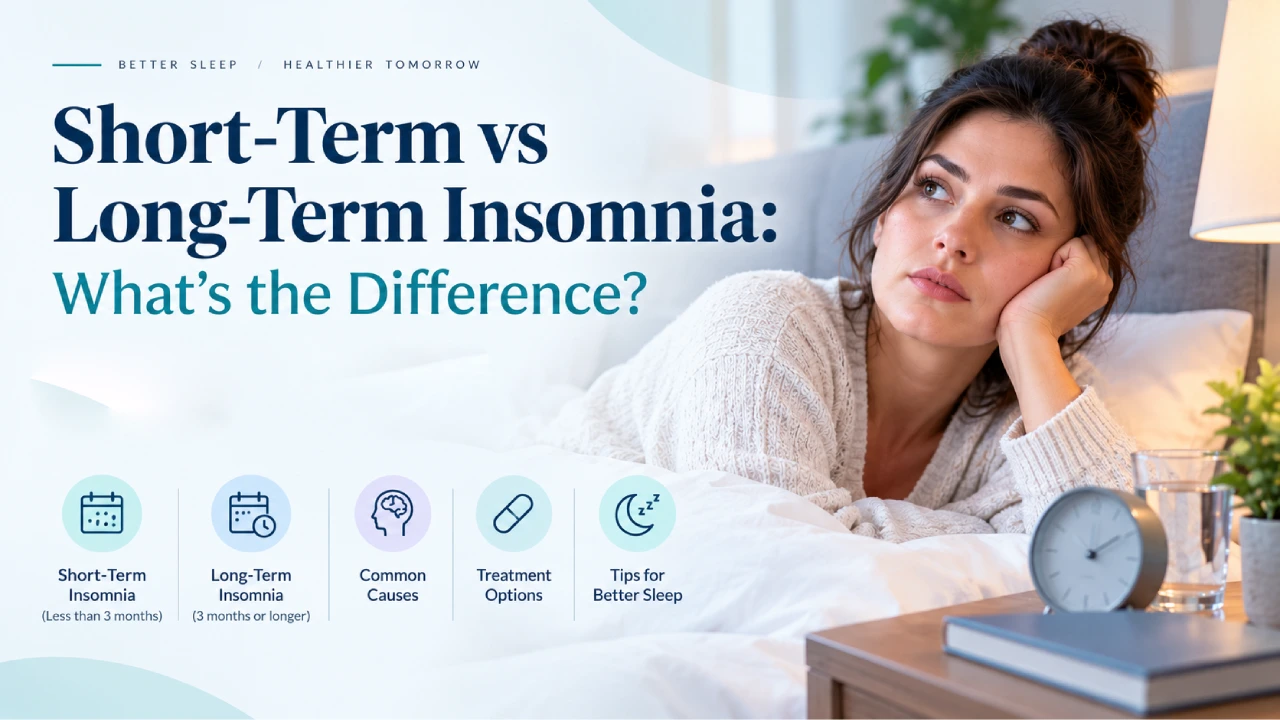
Have you ever spent an entire night tossing and turning, struggled to sleep before an important day, or woken up repeatedly without feeling rested? Occasional sleep difficulties are common, but when they happen frequently, they may indicate insomnia.
Insomnia is a sleep problem that can make it difficult to fall asleep, stay asleep, or return to sleep after waking during the night. It can also leave you feeling tired, irritable, and unable to concentrate during the day.
However, not every sleep problem follows the same pattern. Some people experience short-term insomnia, which may develop after stress, travel, illness, or a change in routine. Others experience long-term insomnia, which continues for months and can interfere with everyday life.
Understanding the difference between short-term and long-term insomnia is an important first step towards finding an appropriate solution. In this guide, we’ll explore the symptoms, causes, risk factors, treatment options, and practical sleep habits that may help you manage insomnia more effectively.
For a general overview of symptoms and treatment, read the NHS guide to insomnia.
What Is Short-Term Insomnia?
Short-term insomnia, sometimes called acute insomnia, refers to sleep difficulties that last for less than three months. It may develop suddenly after a stressful event or a temporary change in your normal routine.
For example, you might struggle to sleep for several nights before an important examination, during a demanding period at work, or after travelling across different time zones.
In many cases, short-term insomnia improves when the underlying trigger passes and normal sleeping habits return.
Common Causes of Short-Term Insomnia
Several factors can temporarily interfere with sleep.
1. Stress and anxiety
Work deadlines, financial concerns, family responsibilities, and personal difficulties can make it harder to relax at bedtime. You may find yourself repeatedly thinking about problems instead of falling asleep.
2. Changes in your daily routine
Working night shifts, travelling, jet lag, or changing your usual bedtime can disrupt your body’s natural sleep-wake rhythm.
3. Unfamiliar sleeping environments
A noisy hotel room, an uncomfortable mattress, excessive light, or an unfamiliar environment can affect sleep quality.
4. Illness or physical discomfort
A cold, temporary pain, or another short-lived health problem may make it difficult to fall asleep or stay asleep throughout the night.
5. Caffeine, alcohol, and nicotine
Caffeine can keep you alert, while alcohol may disrupt sleep later in the night. Nicotine is also a stimulant and may contribute to sleeping difficulties.
Symptoms of Short-Term Insomnia
Common symptoms include:
- Taking longer than usual to fall asleep.
- Waking up repeatedly during the night.
- Waking earlier than intended.
- Feeling tired or unrefreshed in the morning.
- Experiencing temporary irritability or difficulty concentrating.
- Worrying about whether you will get enough sleep.
Short-term insomnia does not always require medication. Depending on the cause and severity, changes to your routine, stress management, and advice from a healthcare professional may be sufficient.
What Is Long-Term Insomnia?
Long-term insomnia, also known as chronic insomnia, describes persistent sleep difficulties that last for three months or longer.
Chronic insomnia disorder is commonly associated with difficulty falling asleep, staying asleep, or waking too early at least three nights a week, alongside daytime distress or impairment.
Unlike temporary sleep disruption, long-term insomnia may continue even after the original trigger has disappeared. For some people, worrying about sleep itself becomes part of the problem.
For example, someone who initially experiences insomnia because of work stress may begin to feel anxious every evening about whether they will sleep. This anxiety can make it harder to relax, creating a cycle that continues even when work becomes less demanding.
Common Causes of Long-Term Insomnia
1. Ongoing stress
Persistent work pressure, relationship difficulties, financial concerns, or caregiving responsibilities may interfere with relaxation and sleep.
2. Anxiety and depression
Mental health conditions can affect sleep patterns. Poor sleep can also make emotional symptoms harder to manage, so it is important to address both concerns where appropriate.
3. Chronic pain and medical conditions
Conditions that cause ongoing discomfort, frequent urination, or breathing difficulties may interrupt sleep.
4. Irregular sleep habits
Inconsistent bedtimes, long daytime naps, excessive screen use at night, and spending extended periods awake in bed may contribute to persistent sleep problems.
5. Other sleep disorders
Sleep apnoea, restless legs syndrome, and circadian rhythm disorders can cause or contribute to sleep difficulties. These conditions may require specific assessment and treatment.
6. Medicines and substances
Some prescription medicines, caffeine, nicotine, alcohol, and other substances can affect sleep. Do not stop a prescribed medicine without discussing it with your healthcare professional.
Because long-term insomnia can have several overlapping causes, identifying and treating contributing factors is an important part of care.
Short-Term vs Long-Term Insomnia: Key Differences
The main difference is how long the sleep difficulties last, although their triggers, effects, and treatment needs may also vary.
| Feature | Short-Term Insomnia | Long-Term Insomnia |
|---|---|---|
| Duration | Less than 3 months | 3 months or longer |
| Common triggers | Temporary stress, travel, illness, changes in routine | Persistent stress, medical conditions, mental health concerns |
| Pattern | May occur for several nights or during a particular period | Often recurring, commonly at least 3 nights a week |
| Daytime effects | Temporary tiredness and irritability | Ongoing fatigue, concentration difficulties, reduced daily functioning |
| Management | Address triggers and improve sleep habits | Assess contributing causes; CBT-I is often a preferred treatment |
| Medical assessment | Helpful if symptoms are severe or persistent | Recommended when sleep problems continue or affect daily life |
The duration alone does not tell the whole story. Even a short period of severe insomnia may warrant professional support if it significantly affects your wellbeing or ability to function safely.
How Does Insomnia Affect Daily Life?
Sleep is important for concentration, memory, emotional regulation, and physical wellbeing. When sleep is repeatedly disrupted, everyday tasks may become more difficult.
Effects on Concentration and Memory
Insufficient or poor-quality sleep can make it harder to focus, learn new information, make decisions, and remember details.
Changes in Mood
People experiencing insomnia may feel irritable, frustrated, anxious, or emotionally overwhelmed. Ongoing sleep difficulties can also coexist with depression and anxiety.
Reduced Energy and Productivity
Daytime fatigue can make work, studying, household responsibilities, and social activities more challenging.
Increased Risk of Accidents
Sleep deprivation may reduce alertness and slow reaction times. Avoid driving or operating machinery if you feel sleepy or unable to concentrate safely.
Persistent insomnia can affect quality of life, so it is worth seeking help rather than assuming poor sleep is something you simply have to tolerate.
How Is Insomnia Diagnosed?
There is no single test that diagnoses every case of insomnia. A healthcare professional will generally ask about your symptoms, sleeping habits, medical history, medicines, and daytime functioning.
You may be asked:
- How long have you been having difficulty sleeping?
- How many nights a week does it happen?
- Do you struggle to fall asleep or wake up during the night?
- How do you feel during the day?
- Do you use caffeine, alcohol, or medicines that may affect sleep?
- Do you snore loudly, gasp during sleep, or experience unusual sensations in your legs?
Keeping a Sleep Diary
A sleep diary can help you recognise patterns and provide useful information during an appointment.
For one to two weeks, record your approximate bedtime, how long it takes to fall asleep, nighttime awakenings, waking time, daytime naps, caffeine consumption, and how rested you feel.
A clinician may recommend further assessment if your symptoms suggest another sleep disorder or an underlying medical condition.
For additional information about insomnia symptoms, diagnosis, and treatment, consult the National Heart, Lung, and Blood Institute’s insomnia guide.
Treatment Options for Short-Term Insomnia
Treatment depends on the cause, severity, and effect of your symptoms.
1. Address the Underlying Trigger
If your sleep problems began during a stressful period, try to identify practical ways to reduce the pressure. This could involve adjusting your workload, discussing concerns with someone you trust, or setting aside time earlier in the evening to plan for the next day.
If pain, illness, or medication may be contributing, seek appropriate medical advice.
2. Improve Your Sleep Routine
A consistent waking time, a comfortable bedroom, and a relaxing pre-bed routine may support better sleep.
Try to avoid excessive caffeine later in the day and limit alcohol as a way of managing sleep problems.
For practical suggestions, read our guide to sleep hygiene tips.
3. Seek Professional Advice if Symptoms Persist
If insomnia is severe, causes significant daytime distress, or does not improve, a healthcare professional can help determine whether further treatment is appropriate.
Do not assume that every episode of insomnia requires medication. The most suitable approach depends on the underlying problem and your individual circumstances.
Treatment Options for Long-Term Insomnia
Long-term insomnia often requires a more structured approach than simply making a few changes to your bedtime routine.
Cognitive Behavioural Therapy for Insomnia (CBT-I)
Cognitive behavioural therapy for insomnia, commonly known as CBT-I, is an evidence-based treatment designed specifically for persistent sleep difficulties.
It helps people identify and change thoughts and behaviours that may keep insomnia going.
CBT-I may include:
- Stimulus control: Strengthening the association between bed and sleep.
- Sleep scheduling: Adjusting time in bed according to a structured treatment plan.
- Cognitive techniques: Addressing unhelpful beliefs and worries about sleep.
- Relaxation strategies: Learning methods to reduce physical and mental arousal.
- Sleep education: Understanding factors that influence sleep and how to respond to difficult nights.
CBT-I may be delivered in person, online, or through a structured digital programme. The appropriate format depends on individual needs and availability.
Sleep hygiene advice alone is not always sufficient for chronic insomnia. A structured treatment such as CBT-I may be more appropriate when sleep problems have become persistent.
Treating Other Health Conditions
If insomnia is linked to anxiety, depression, chronic pain, sleep apnoea, or another condition, managing that condition may be an important part of improving sleep.
Tell your healthcare professional about symptoms such as loud snoring, waking up gasping, uncomfortable sensations in your legs, or persistent pain at night.
Medication for Insomnia
In certain circumstances, a clinician may consider short-term medication for severe insomnia after evaluating the potential benefits and risks.
Zopiclone is a prescription sleeping medicine that may be used for short-term treatment in selected cases. It is not suitable for everyone, and prolonged use can lead to dependence, tolerance, and withdrawal difficulties.
It should only be used as prescribed. Do not increase your dose, combine it with alcohol, or take other sedating medicines without professional guidance.
Read our related guide on zopiclone and alcohol: why mixing them can be dangerous to understand the risks of combining alcohol with this medicine.
If you have questions about a missed prescribed dose, see our guide to what to do if you miss a zopiclone dose.
For persistent insomnia, medication is not automatically the best long-term solution. Discuss the options with your prescriber, including psychological treatments and approaches that address the underlying causes of sleep disruption.
10 Practical Ways to Improve Your Sleep
Whether you experience short-term or long-term insomnia, consistent habits may support healthier sleep. These measures are useful, although they are not a replacement for appropriate treatment when insomnia persists.
1. Keep a Regular Wake-Up Time
Try to get up at approximately the same time every day. A consistent waking schedule can help regulate your sleep-wake rhythm.
2. Go to Bed When You Feel Sleepy
Going to bed much earlier than your usual bedtime may leave you awake and frustrated. Aim to establish a routine that fits your natural sleepiness and daily schedule.
3. Create a Comfortable Bedroom
Keep your bedroom dark, quiet, and comfortably cool. Reduce light and noise where possible, and choose bedding that supports comfortable rest.
4. Reduce Evening Caffeine
Coffee, tea, cola, energy drinks, and other sources of caffeine may interfere with sleep. Consider reducing caffeine intake later in the day, particularly if you are sensitive to it.
5. Avoid Alcohol as a Sleep Aid
Alcohol may make you feel sleepy initially, but it can disrupt sleep later in the night. It is especially important to avoid alcohol when taking zopiclone because the combination can cause dangerous sedation.
Read the NHS guidance on zopiclone for important medicine safety information.
6. Build a Relaxing Bedtime Routine
Consider reading, taking a warm bath, listening to calming audio, or practising gentle relaxation before bed.
7. Get Natural Daylight
Exposure to daylight during the day, particularly in the morning, can help support your body’s natural sleep-wake cycle.
8. Exercise Regularly
Regular physical activity can support overall health and may help improve sleep. Choose a schedule that suits you and avoid vigorous exercise close to bedtime if it leaves you feeling alert.
9. Avoid Long or Late Naps
Long daytime naps may reduce sleepiness at bedtime. If you need to nap, consider keeping it brief and earlier in the day.
10. Seek Help Rather Than Worrying Alone
If sleep difficulties continue, affect your mood, or make everyday activities harder, speak to a GP or another qualified healthcare professional. Effective treatment is available, and you do not have to manage persistent insomnia on your own.
When Should You See a Doctor About Insomnia?
Consider arranging an appointment with your GP if:
- Your sleeping habits have not improved your symptoms.
- You have had trouble sleeping for months.
- Insomnia is affecting your work, relationships, mood, or daily activities.
- You regularly feel excessively tired during the day.
- You rely on alcohol or sleeping medicines to try to get to sleep.
- You experience symptoms that could indicate another sleep disorder.
Seek prompt medical advice if sleep difficulties occur alongside significant changes in mood or other concerning symptoms. If you feel unable to keep yourself safe, seek urgent support.
A healthcare professional can assess possible causes and help you decide which treatment is appropriate.
Frequently Asked Questions About Short-Term and Long-Term Insomnia
1. What is the main difference between short-term and long-term insomnia?
Short-term insomnia lasts less than three months and is often associated with temporary stress or changes in routine. Long-term insomnia lasts three months or longer and may require a more structured assessment and treatment plan.
2. How long does short-term insomnia usually last?
Short-term insomnia can last a few nights, several days, or weeks, depending on its cause. The duration varies between individuals. If symptoms persist, worsen, or significantly affect your daily life, seek medical advice.
3. When does insomnia become chronic?
Insomnia is generally considered long-term when it lasts for three months or longer. Chronic insomnia disorder is commonly characterised by sleep difficulties at least three nights per week that cause daytime distress or impairment.
4. Can short-term insomnia turn into long-term insomnia?
Yes. In some cases, temporary sleep problems continue after the original trigger has passed. Worry about sleep, irregular sleep habits, and other contributing factors may help maintain the problem. Early support can help address persistent symptoms.
5. Is long-term insomnia more serious than short-term insomnia?
Long-term insomnia can have a greater ongoing impact on daily functioning and wellbeing. However, short-term insomnia can also be distressing and may require attention when symptoms are severe or interfere with safety.
6. Can lifestyle changes cure insomnia?
Lifestyle changes may help some people, especially when sleep difficulties are related to temporary triggers or inconsistent routines. However, lifestyle measures alone may not resolve chronic insomnia. CBT-I and treatment of underlying conditions may be needed.
7. Is medication necessary for insomnia?
Not always. Treatment may involve addressing the cause, improving sleep habits, or using CBT-I. A clinician may consider medication in selected circumstances, taking into account the severity of symptoms, medical history, and potential risks.
8. Is zopiclone suitable for long-term insomnia?
Zopiclone is generally intended for short-term treatment rather than routine long-term use. It can cause tolerance, dependence, and withdrawal problems. Speak with a prescriber about the most appropriate treatment for persistent insomnia.
9. Can anxiety cause insomnia?
Yes. Anxiety can make it difficult to relax, fall asleep, or return to sleep after waking. Insomnia can also worsen anxiety, creating a cycle that may benefit from professional support.
10. How much sleep do adults need?
Most adults need around seven to nine hours of sleep each night, although individual needs vary. Sleep quality, regularity, and how you function during the day are also important.
Conclusion
Understanding the difference between short-term and long-term insomnia can help you recognise when temporary sleep difficulties may need further attention.
Short-term insomnia often develops in response to stress, travel, illness, or changes in routine. Long-term insomnia continues for three months or more and may involve several overlapping factors, including anxiety, medical conditions, medication effects, and learned sleep behaviours.
Improving your sleep routine may help, but persistent insomnia deserves a proper assessment. Treatments such as cognitive behavioural therapy for insomnia (CBT-I) can address the patterns that keep sleep problems going, while a healthcare professional can help identify other contributing conditions.
If insomnia is affecting your quality of life, seek advice rather than relying on alcohol or repeatedly using sleeping medication without supervision. The right approach depends on the cause of your symptoms and your individual health needs.
Explore Our Sleep Health Product Information
Looking for more information about sleep-related medications? Explore our website to learn about available products, their uses, safety information, and important precautions.
Visit our Shop Page to browse available product information, or read the detailed information about Zopiclone 7.5 mg HAB Pharma.
Always consult a qualified healthcare professional before using sleep medication. Zopiclone should be used only when prescribed and according to your prescriber’s instructions.
Learn more, understand the precautions, and make informed decisions about your sleep health.
Medical disclaimer: This article is for general educational purposes only and is not a substitute for medical advice, diagnosis, or treatment. Speak to a qualified healthcare professional about persistent sleep difficulties or before starting, stopping, or changing any medication.